
led vanity mirror bathroom
Alloy Tool En Innan Framtiden för Materialutveckling Inom industrin har valet av material en avgörande betydelse för produkters prestanda, hållbarhet och livslängd. Med framväxten av nya teknologier och tillverkningsmetoder står materialen i centrum för innovativ utveckling. En av de mest spännande innovationerna inom detta område är Alloy Tool, ett verktyg som revolutionerar hur vi förstår och arbetar med legeringar. Legeringar, en kombination av två eller flera metaller, används i en mängd olika applikationer – från byggande av flygplan till produktion av vardagliga hushållsartiklar. Men utformningen av dessa legeringar har traditionsenligt varit en komplex och tidskrävande process. Här kommer Alloy Tool in i bilden, som en digital lösning för att effektivisera denna process och förbättra resultaten. Alloy Tool En Innan Framtiden för Materialutveckling En av de mest attraktiva aspekterna av Alloy Tool är dess användarvänlighet. Verktyget är designat för att vara tillgängligt för både erfarna ingenjörer och nybörjare. Med en enkel och intuitiv användargränssnitt kan användarna snabbt lära sig att navigera i verktyget och börja experimentera med sina egna legeringsdesigns. Detta demokratiserar tillgången till avancerad materialforskning, vilket kan leda till fler innovativa produkter som stöttas av noggrant studerade materialval. alloy tool Dessutom främjar Alloy Tool ett mer hållbart tillvägagångssätt för materialutveckling. Genom att optimera materialval i ett tidigt skede kan företag minska avfall och ineffektivitet – något som är avgörande i dagens allt mer resurskrävande industrier. Med ett fokus på hållbara materiallösningar kan Alloy Tool bidra till att skapa en grönare framtid, där både innovation och miljöhänsyn går hand i hand. Det är också värt att nämna hur Alloy Tool kan underlätta samarbeten mellan olika aktörer inom industrin. Genom att erbjuda en gemensam plattform för att experimentera med legeringar kan företag, forskningsinstitutioner och universitet samarbeta mer effektivt. Kunskapsutbyte och delning av resurser kommer sannolikt att leda till snabba framsteg på materialfronten, något som gynnar hela sektorn. Kritiker kan argumentera att en sådan hög grad av automatisering kan minska behovet av mänsklig kreativitet och erfarenhet inom materialvetenskap. Men verkligheten är att Alloy Tool är ett komplement, snarare än en ersättning för mänskligt arbete. Genom att ta bort de repetitiva och tidskrävande aspekterna av legeringsdesign kan ingenjörer fokusera på mer kreativa och komplexa problem, vilket leder till ännu bättre innovationer. Sammanfattningsvis står Alloy Tool som en förebild för framtiden inom materialutveckling. Tack vare dess förmåga att förenkla och effektivisera processen designas nya material snabbare och mer hållbart än någonsin tidigare. Med den fortsatta utvecklingen av teknologi och en större efterfrågan på innovativa och hållbara lösningar, kommer Alloy Tool sannolikt att spela en central roll i nästa generationens industriella tillverkning.
about
led vanity mirror bathroom
Understanding Internal Bore Gauges A Key Tool in Precision Measurement In the world of manufacturing and engineering, precision is paramount. Components must meet exact specifications to ensure proper fit and function, especially in industries such as automotive, aerospace, and machinery. One of the essential tools in achieving this accuracy is the internal bore gauge. This specialized instrument plays a critical role in measuring the internal diameters of cylindrical objects, such as boreholes and pipes, where traditional measurement methods may fall short. What is an Internal Bore Gauge? An internal bore gauge is designed specifically for measuring the inside dimensions of holes, tubes, and other cylindrical objects. Unlike external calipers that measure the outside diameter, bore gauges focus on internal features, providing precision measurements crucial for quality control and assessment. These gauges come in various forms, with some utilizing mechanical means and others relying on electronic technology to provide readouts. Types of Internal Bore Gauges There are primarily two types of internal bore gauges – mechanical and electronic . 1. Mechanical Bore Gauges These gauges often consist of a set of extending arms or probes that fit inside the bore. The user inserts the tool into the bore, expands the arms to contact the internal surface, and then removes it for measurement against a calibrated reference or measuring scale. Mechanical gauges are durable, straightforward, and usually do not require batteries or complex calibration. 2. Electronic Bore Gauges These modern devices use electronic sensors to measure dimensions automatically. They often come equipped with digital displays that provide instantaneous readings, making them faster and easier to use than their mechanical counterparts. Additionally, many electronic bore gauges can interface with computer systems for data collection and analysis, enhancing workflow efficiency in manufacturing environments. How to Use an Internal Bore Gauge Using an internal bore gauge involves several straightforward steps internal bore gauge 1. Preparation Ensure the gauge is clean and well-calibrated. Understand the specifications of the bore you intend to measure. 2. Insertion Carefully insert the gauge into the bore, avoiding any force that could potentially damage the measuring instrument or alter the bore’s dimensions. 3. Adjustment Expanding the arms (in mechanical gauges) or aligning the probes (in electronic gauges) to contact the internal walls of the bore is key. Ensure a snug fit without excessive pressure. 4. Reading the Measurement Once the gauge is positioned correctly, remove it from the bore and read the measurement from either the scale or digital display. 5. Verification For accuracy, it’s often recommended to take multiple measurements at different depths or positions to account for any imperfections in the bore. Importance of Internal Bore Gauges The importance of internal bore gauges cannot be overstated. They ensure that the internal diameters of a product are consistent with design specifications, which is critical for components that fit together in assemblies. An incorrect diameter can lead to mechanical failure, safety hazards, and increased costs due to reworking or replacing defective parts. Moreover, regular use of bore gauges can significantly reduce waste in manufacturing, as they help identify potential issues before the production process moves too far along. This proactive approach not only saves time but also enhances the overall quality of the products being produced. Conclusion In summary, internal bore gauges are indispensable tools in the field of precision measurement. Whether in mechanical or electronic form, these gauges provide essential insights into the internal dimensions of cylindrical objects, guiding manufacturers to achieve the precision needed for quality assurance. As industries continue to demand higher accuracy, the relevance and application of internal bore gauges will only continue to grow, making them vital components in the toolbox of engineers and quality control professionals alike.
-

High quality industrial productsagement

High quality industrial products
View Details -

Meet the diverse needs of customers

Meet the diverse needs of customers
View Details -

Strict quality control

Strict quality control
View Details -

Top raw materials

Top raw materials
View Details -

Trusted supplier

Trusted supplier
View Details
Our application

news and information
Welding Fabrication Services _ Precision Welding & Custom Fabrication
Understanding Welding and Fabrication A Comprehensive Overview Welding and fabrication are critical
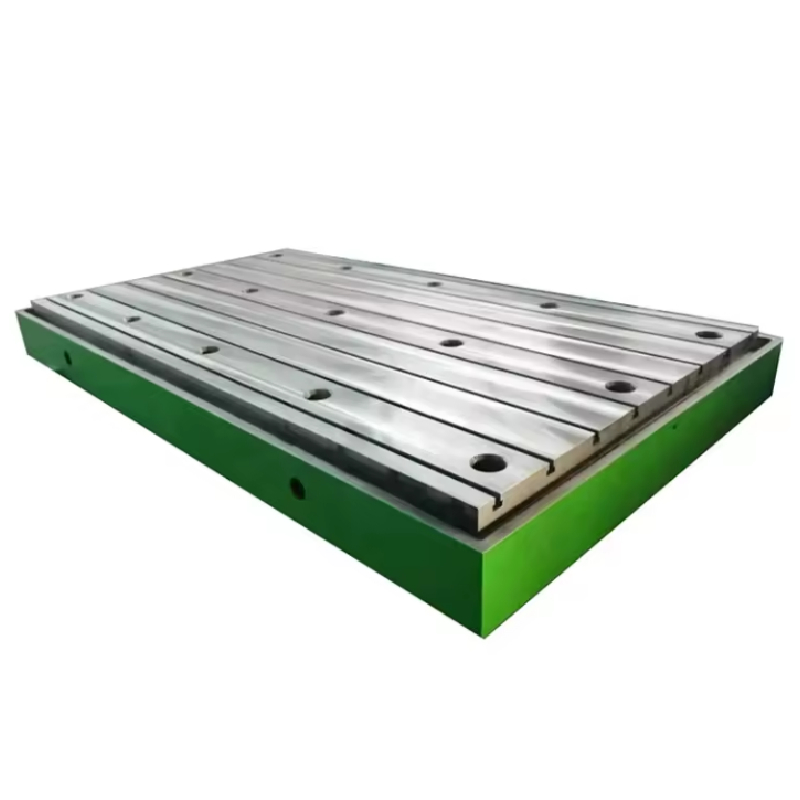
Versatile Granite Angle Plate for Precision Machining and Workholding Solutions
Understanding Granite Angle Plates A Key Tool for Precision Measurement In the realm of manufacturin
Venda de válvulas de retenção
Válvulas de Retenção A Escolha Perfeita para Seu Sistema Hidráulico As válvulas de retenção, também
 English